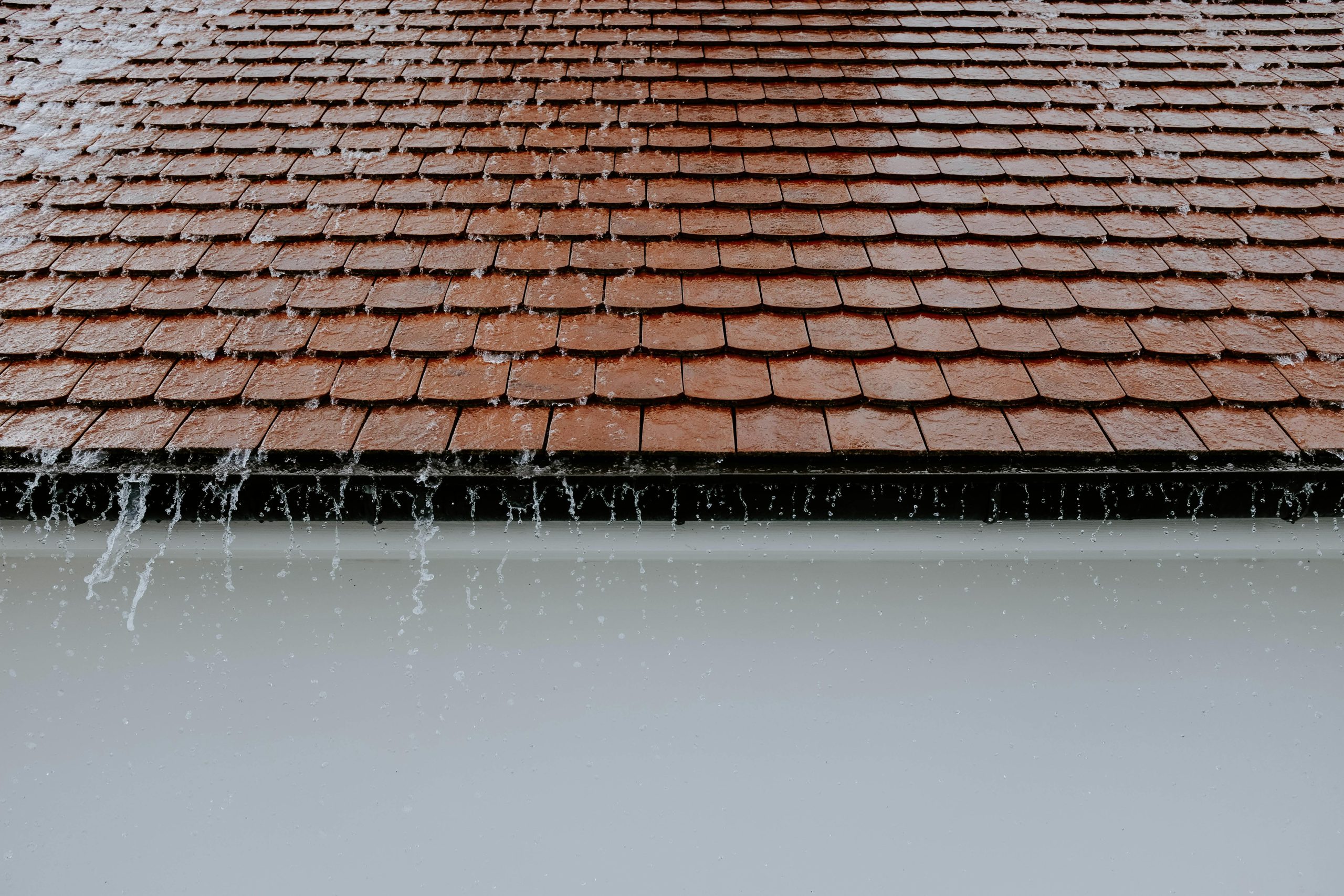
Missing shingles, water stains, granule loss, and sagging areas are some of the most common signs that a roof may be damaged and needs attention.
The most common signs of roof damage include missing or damaged shingles, leaks or water stains inside the home, granules collecting in gutters, sagging roof sections, flashing problems, mold or moisture issues, and visible storm impact from wind or hail. Some warning signs are obvious from the ground, while others show up indoors before you ever notice a problem outside.
Roof damage often starts small. A few lifted shingles, a minor flashing gap, or a patch of granule loss may not seem urgent at first. But roofing problems tend to worsen when they are ignored, especially after heavy rain, high winds, or repeated exposure to heat and moisture. That is why recognizing early warning signs matters. Catching roof issues sooner may help you avoid more expensive structural or interior damage later.
The key is not waiting for a major leak before taking the roof seriously. In many cases, the roof gives smaller warning signs well before failure becomes obvious.
Missing, curled, or cracked shingles
One of the easiest signs of roof damage to spot is trouble with the shingles themselves. Missing shingles leave exposed areas vulnerable to water intrusion. Curled shingles may suggest age, heat exposure, or weathering. Cracked shingles can appear after wind events, temperature swings, or simple material deterioration over time.
Even isolated shingle issues can matter because they may allow water to reach the underlayment or decking below. If you can see patchy damage from the ground, there may be more going on than is immediately visible.
When shingles no longer lie flat or when sections are visibly absent, the roof is telling you it may need repair or closer inspection.
Water stains or leaks inside the home
Interior signs are often just as important as exterior ones. Water stains on ceilings or walls, damp attic insulation, peeling paint, or an unexplained musty smell can all point to roof damage. Some leaks show up as active drips, but others appear more subtly through discoloration or moisture buildup after storms.
The Environmental Protection Agency overview of how moisture problems can lead to mold and indoor damage is useful because roof leaks often become larger indoor air and material issues if left unresolved.
Not every ceiling stain comes from the roof, but when interior moisture appears after rain or grows worse over time, the roof should be considered a prime suspect.
Granules collecting in gutters or around downspouts
Asphalt shingles shed granules naturally over time, but excessive granule loss can be a sign of wear or storm-related damage. If you notice a heavy accumulation of granules in gutters, near downspout exits, or around the base of the house, the shingles may be nearing the end of their effective life or may have been impacted by weather.
Granules help protect shingles from ultraviolet exposure and general weathering. Once enough of that surface protection is lost, the roof may age faster and become more vulnerable to damage.
- Newer roofs may shed a small amount initially.
- Older roofs with repeated granule loss deserve closer attention.
- Bare-looking shingle patches can signal advanced wear.
- Storms can speed up surface damage that was already beginning.
Sagging, soft spots, or uneven roof lines
A sagging roofline is one of the more serious warning signs a homeowner can see. It may indicate trapped moisture, weakened decking, structural deterioration, or long-term water intrusion. Soft spots can also develop under the roofing surface, especially where leaks have gone unnoticed for a while.
This kind of damage should not be brushed off as cosmetic. When the roof structure starts changing shape, the issue may extend beyond shingles into the decking or framing itself. That raises both cost and urgency.
If any part of the roof looks uneven, droops noticeably, or appears to have a sunken area, it is smart to get it evaluated quickly.
Flashing damage around vulnerable areas
Flashing helps protect the areas where the roof meets chimneys, vents, skylights, valleys, and walls. When flashing becomes loose, corroded, bent, or improperly sealed, water can enter through these transition points even if the shingles themselves still look acceptable.
These are some of the most common leak-prone areas on a roof. Damage here may not be obvious from the ground, but interior symptoms often show up first if flashing has failed. That is why roof inspections should not focus only on the large shingle field and ignore the detail areas.
The Department of Housing and Urban Development guidance on maintaining and improving key exterior parts of a home supports the broader point that exterior systems often fail first at joints, penetrations, and overlooked problem spots.
Storm-related signs like hail or wind impact
Storm damage is another major source of roofing problems. After severe weather, you may notice lifted shingles, broken tabs, dented metal components, debris impact, or damage from fallen branches. Hail can be especially tricky because it may leave bruising or surface damage that is not obvious to an untrained eye from the ground.
The National Weather Service overview of thunderstorm hazards such as hail, high winds, and dangerous storm conditions helps explain why roofing systems are commonly affected after severe weather events.
Storm-related roof issues should be taken seriously even when they seem minor at first, because damage can worsen with time and repeated weather exposure.
What to do if you notice these warning signs
If you notice one or more signs of roof damage, the smartest move is to document what you can safely see and arrange for a professional inspection. Avoid climbing onto the roof casually, especially after storms or if the surface may be unstable. Photos from the ground, notes about recent weather, and interior evidence can all help during the evaluation process.
You should also be cautious about rushed repair offers after major storms. Taking a little time to review the damage carefully can help you avoid making a bad decision under pressure.
- Take photos of visible issues if it is safe to do so.
- Note when the damage or leak first appeared.
- Check the attic for moisture or staining if accessible.
- Schedule a roofing inspection instead of guessing.
- Avoid signing rushed repair agreements without review.
Bottom line
The most common signs of roof damage include missing or curling shingles, interior leaks or stains, heavy granule loss, sagging areas, flashing problems, and evidence of storm impact. Some signs are easy to spot from outside, while others first show up through moisture, odor, or ceiling changes inside the home.
The earlier you catch these warning signs, the better your chances of limiting repair costs and preventing bigger structural issues. A roof rarely fails without giving clues first. Knowing what to look for makes it easier to act before a manageable problem becomes a much larger one.
Concerned your roof may be showing damage?
If you have noticed leaks, missing shingles, or storm-related issues, we can help you review the warning signs and figure out the next step before the problem gets worse.
Review Your Roofing Options