Where the biggest costs are hiding in your roof replacement estimate and what drives them up
Labor Is the Single Biggest Line Item
Most homeowners assume the shingles themselves are what make a roof replacement expensive. The materials matter, but labor is consistently the largest portion of the total cost, typically accounting for forty to sixty percent of the final bill. Roofing is physically demanding, time-sensitive work that requires a skilled crew working at height in all kinds of weather. The labor cost reflects not just the hours on the roof but also the experience, safety equipment, and insurance the crew carries.
The labor portion covers everything from tearing off the old roofing material and inspecting the deck to installing underlayment, flashing, shingles, ridge vents, and cleanup at the end of each day. On a standard single-story home, a crew of three to five workers can complete the job in one to three days. Multi-story homes, steep pitches, and complex roof designs with many valleys, dormers, or penetrations take longer and cost more because the work is slower and the risk is higher.
Roof Deck Repairs Are the Biggest Surprise
The cost that catches the most homeowners off guard is deck repair. The roof deck is the layer of plywood or oriented strand board beneath the shingles and underlayment that provides the structural base for the entire system. You can’t see the condition of the deck until the old shingles come off, and if moisture has been getting through for months or years, sections of the deck may be soft, warped, or rotted through.
Replacing damaged decking adds material and labor costs that aren’t always included in the original estimate. Most contractors quote deck repair on a per-sheet basis, typically between seventy-five and one hundred fifty dollars per sheet of plywood, depending on the thickness and your local market. On a roof with extensive hidden damage, the additional decking cost can add several hundred to over a thousand dollars to the project total.
A good contractor will include a per-sheet price for deck replacement in the original estimate so you know what to expect if damage is found. If the estimate doesn’t mention deck repair at all, ask about it before signing. Finding out the cost mid-project leaves you with no leverage and no time to shop around.
Material Costs Depend on What You Choose
After labor, the roofing materials themselves are the next largest cost category. The National Roofing Contractors Association notes that roofing performance depends on material quality among other factors, and you generally get what you pay for. The shingle grade you select has a direct impact on both the upfront cost and the long-term value of the investment.
Standard three-tab asphalt shingles are the least expensive option and offer a clean, flat appearance with a typical lifespan of fifteen to twenty years. Architectural shingles, also called dimensional or laminated shingles, are thicker, more durable, and more visually appealing, with lifespans of twenty to thirty years. Premium shingles with fifty-year warranties are the heaviest and most wind-resistant, but they cost fifteen to thirty percent more than standard architectural products.
Beyond the shingles, the material budget also includes underlayment, drip edge, flashing, ridge cap shingles, pipe boots, and ventilation components. These items individually are less expensive than the shingles but collectively add up to a meaningful portion of the total material cost.
Tear-Off and Disposal Costs
Before new materials go on, the old ones have to come off. Tearing off the existing roof and disposing of the debris is a significant cost that many homeowners don’t think about until they see it on the estimate. The tear-off process involves stripping every layer of old shingles, underlayment, and damaged flashing down to the bare deck, then loading the debris into a dumpster for hauling to a disposal facility.
Disposal fees vary by region and depend on the volume of material removed. A single-layer tear-off on a standard-sized home typically generates several tons of waste. If the roof has two layers of shingles, the volume doubles and so does the disposal cost. The International Residential Code limits residential roofs to a maximum of two layers of asphalt shingles, but removing two layers is more labor-intensive and generates more waste than removing one, which is reflected in the price.
Roof Complexity Adds Up Fast
The shape and design of your roof is one of the biggest factors in the total cost, and it’s something most homeowners underestimate. A simple gable roof with two flat planes and minimal penetrations is the fastest and least expensive design to work on. Every additional feature adds time and material.
Elements that increase the cost include:
- Valleys where two roof planes meet, which require additional flashing and careful shingle work to prevent leaks
- Dormers and bump-outs that create extra edges, corners, and flashing points
- Skylights, chimneys, and plumbing vents that each need custom flashing and careful sealing around the penetration
- Steep pitch, which slows the crew down, requires additional safety equipment, and makes every task take longer
- Multiple stories, which increase the height the crew is working at and require more time for material staging and cleanup
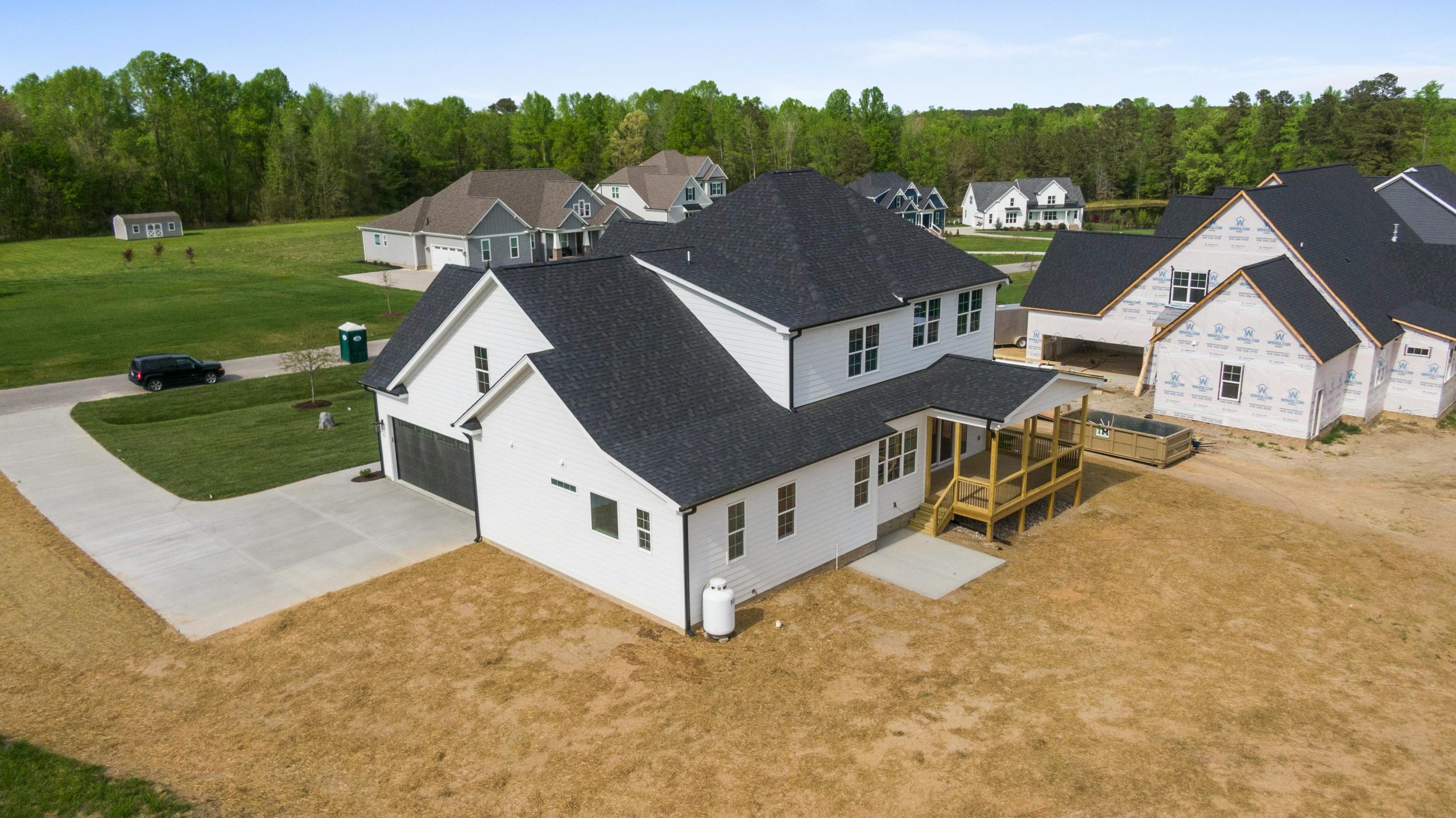
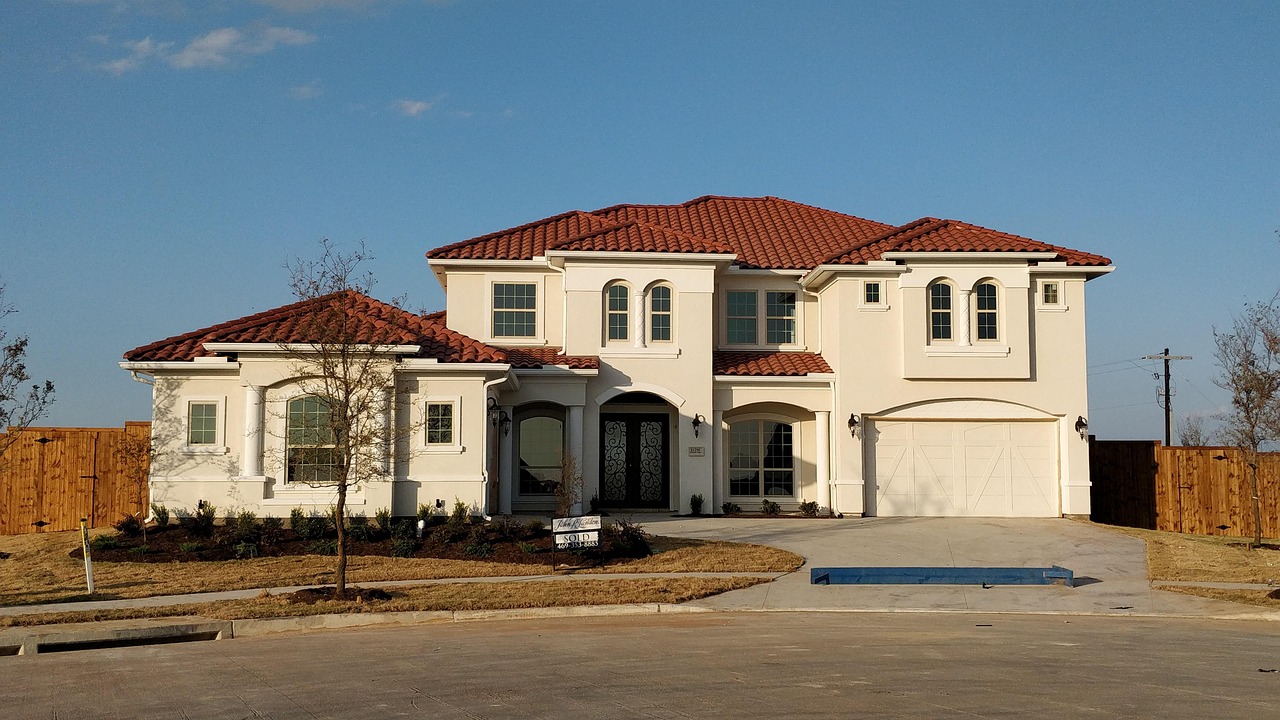
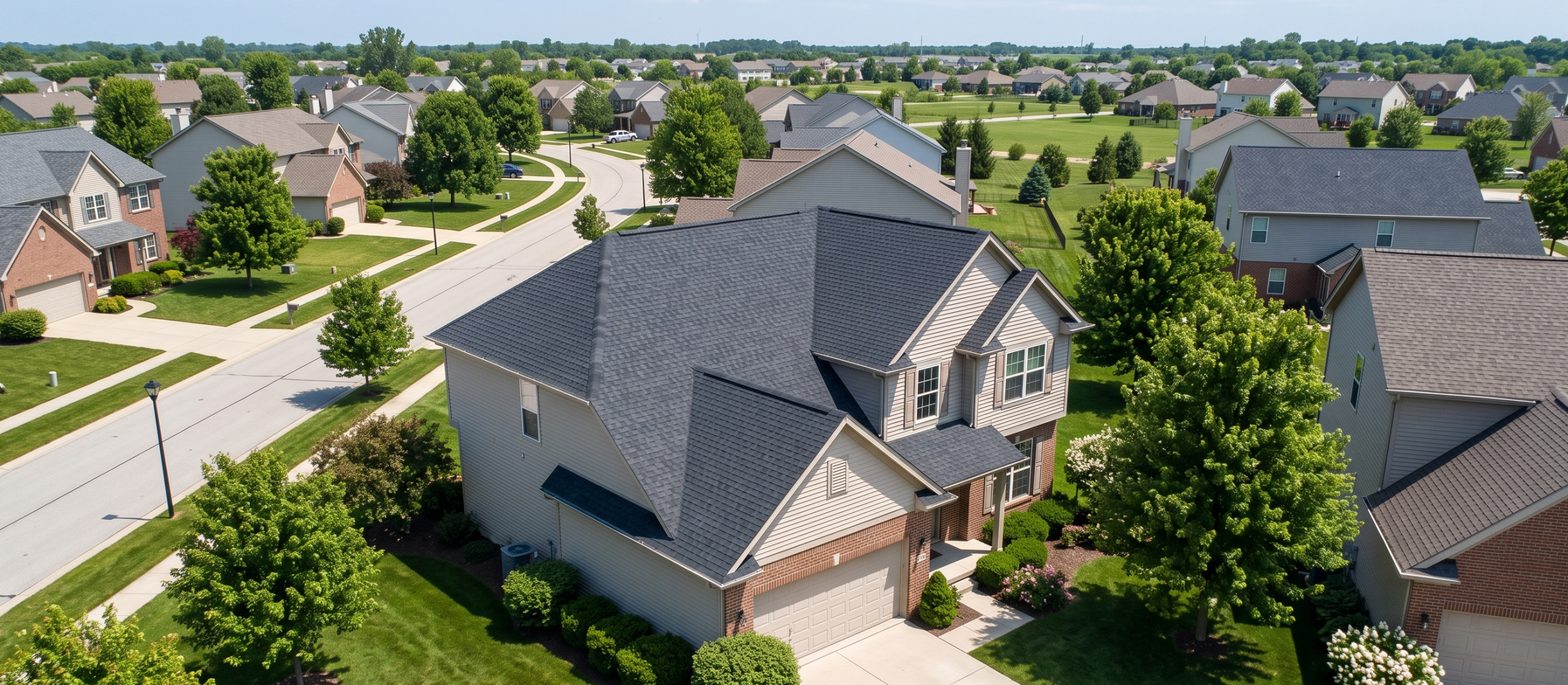
Two homes with the same square footage of roof area can have dramatically different replacement costs if one has a simple roofline and the other has a complex design with steep slopes and multiple penetrations.
Ventilation and Code Upgrades
A roof replacement is often the right time to bring your ventilation system up to current standards. ENERGY STAR’s guide to attic ventilation explains that proper airflow through the attic is essential for protecting roof shingles, removing moisture, and maintaining comfortable indoor temperatures. If your existing ventilation is inadequate, your contractor may recommend adding ridge vents, soffit vents, or powered exhaust vents as part of the project.
Upgrading ventilation adds cost, but it’s one of the most worthwhile additions you can make during a roof replacement. Proper ventilation extends the life of your new shingles, reduces the risk of ice dams in cold climates, and lowers your cooling costs in summer. Skipping the ventilation upgrade to save a few hundred dollars can shorten the lifespan of a new roof by years.
Your local building code may also require upgrades to ice and water shield in certain areas, upgraded drip edge, or specific underlayment types that weren’t standard when your previous roof was installed. These code-driven additions protect your home and are generally not optional, so they should be factored into your budget from the start.
How to Read Your Estimate With All of This in Mind
When reviewing a roofing estimate, look for a clear breakdown that separates the major cost categories so you can see where the money is going. A thorough estimate should show you the cost of materials by type, the labor cost, tear-off and disposal fees, any allowance for deck repair, and the cost of any ventilation or code upgrades. If everything is lumped into a single number, ask the contractor to break it out.
Getting two or three detailed estimates and comparing them line by line is the best way to understand what’s driving the price on your specific project. A bid that looks low may be skipping underlayment, cutting corners on flashing, or not accounting for deck repair. A bid that looks high may include premium materials, a longer workmanship warranty, or ventilation upgrades that the cheaper bid left out. The details matter more than the total.
Want to Know What Your Roof Replacement Will Actually Cost?
Get a free, no-obligation quote with a clear breakdown of every cost so you can budget with confidence.
Get Your Free Quote