Realistic lifespans for every common roofing material and the factors that determine whether yours reaches its full potential
The Warranty Number and the Real Number Are Different
Every roofing product comes with a warranty that puts a number on how long the manufacturer expects it to last. But warranties measure manufacturing defects, not real-world lifespan. A shingle with a thirty-year warranty doesn’t come with a guarantee that it will protect your home for exactly three decades. It means the manufacturer will provide some level of compensation if the product fails prematurely due to a defect within that period. How long your roof actually lasts depends on the material, the quality of the installation, your climate, your ventilation, and how consistently the roof is maintained.
Understanding the realistic lifespan of each material helps you set expectations, plan for the eventual replacement, and make a more informed choice when it’s time for a new roof.
Asphalt Shingles: The Most Common Choice
Asphalt shingles cover the majority of residential roofs in the United States, and they come in two main categories with significantly different lifespans.
Three-tab shingles are the basic, single-layer option. They carry warranties of twenty to twenty-five years but typically last fifteen to twenty years in real-world conditions. In harsh climates with extreme heat, heavy UV exposure, or frequent freeze-thaw cycles, three-tab shingles often begin showing significant wear in the twelve-to-fifteen-year range.
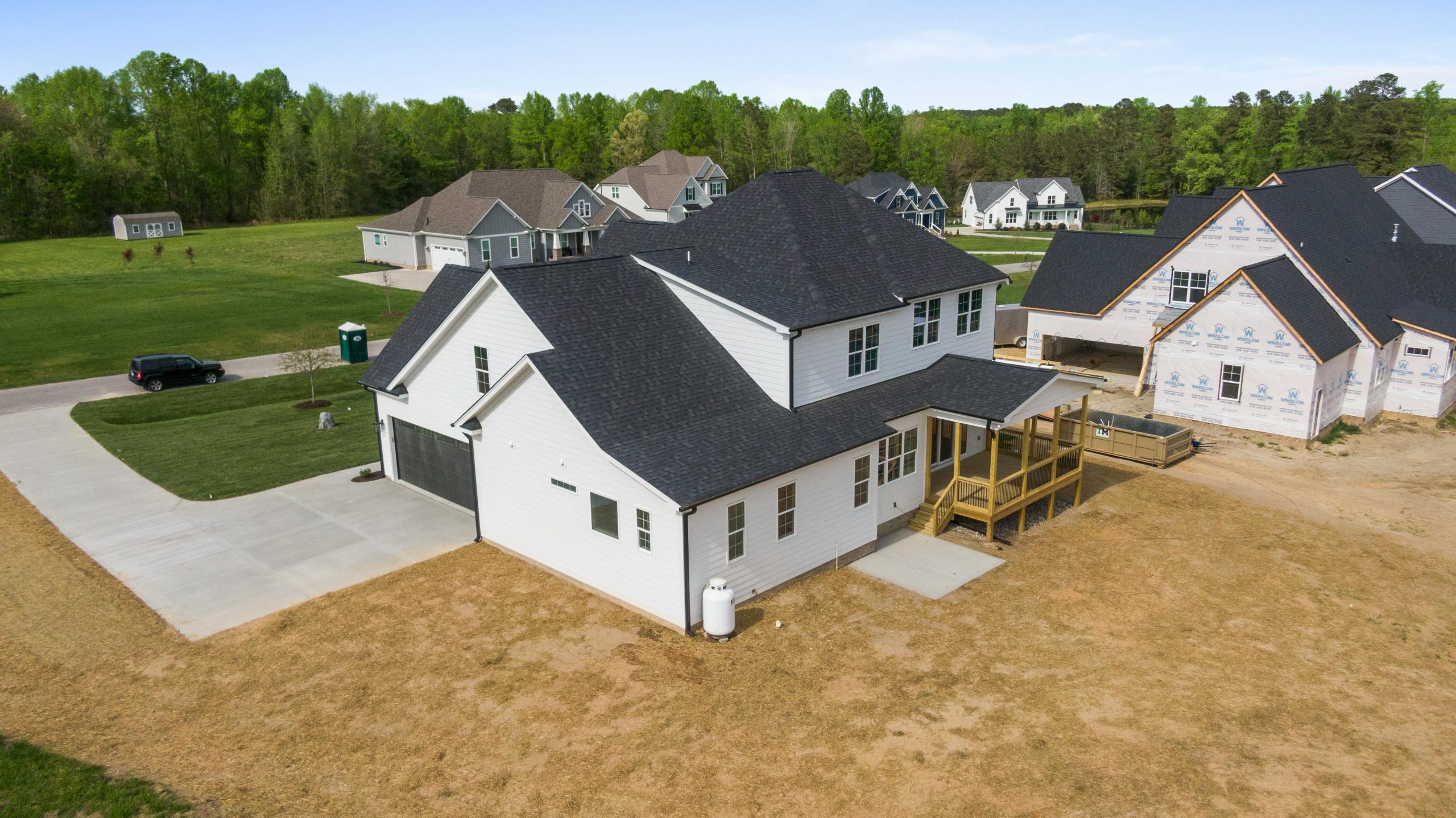
Architectural shingles, also called dimensional or laminated shingles, are thicker, heavier, and more durable. They carry warranties of thirty to fifty years and typically last twenty to thirty years under normal conditions. Premium architectural shingles with fifty-year warranties can reach twenty-five to forty years on a well-ventilated roof in a moderate climate, though few will reach the full warranty term.
The National Roofing Contractors Association notes that roofing performance depends on material quality, installation workmanship, climate, and maintenance. Asphalt shingles are the most sensitive to all four of these factors, which is why two identical shingle products on two different houses can last dramatically different lengths of time.
Metal Roofing: Built for the Long Haul
Metal roofs are one of the longest-lasting residential roofing options available. Standing-seam metal roofs typically last forty to seventy years with minimal maintenance. Metal shingle and metal tile products, which are designed to mimic the appearance of traditional shingles, slate, or tile, generally last thirty to fifty years depending on the gauge and coating quality.
Metal’s longevity comes from its resistance to the factors that degrade asphalt. It doesn’t absorb water, doesn’t crack from UV exposure, and doesn’t lose granules over time. It’s also highly resistant to wind uplift, fire, and impact. The primary maintenance concern with metal roofing is the finish. Painted metal can fade or chalk over decades, and exposed fastener systems may need periodic fastener tightening or gasket replacement. Standing-seam systems with concealed fasteners avoid the fastener maintenance issue entirely.
Tile and Slate: Generational Roofs
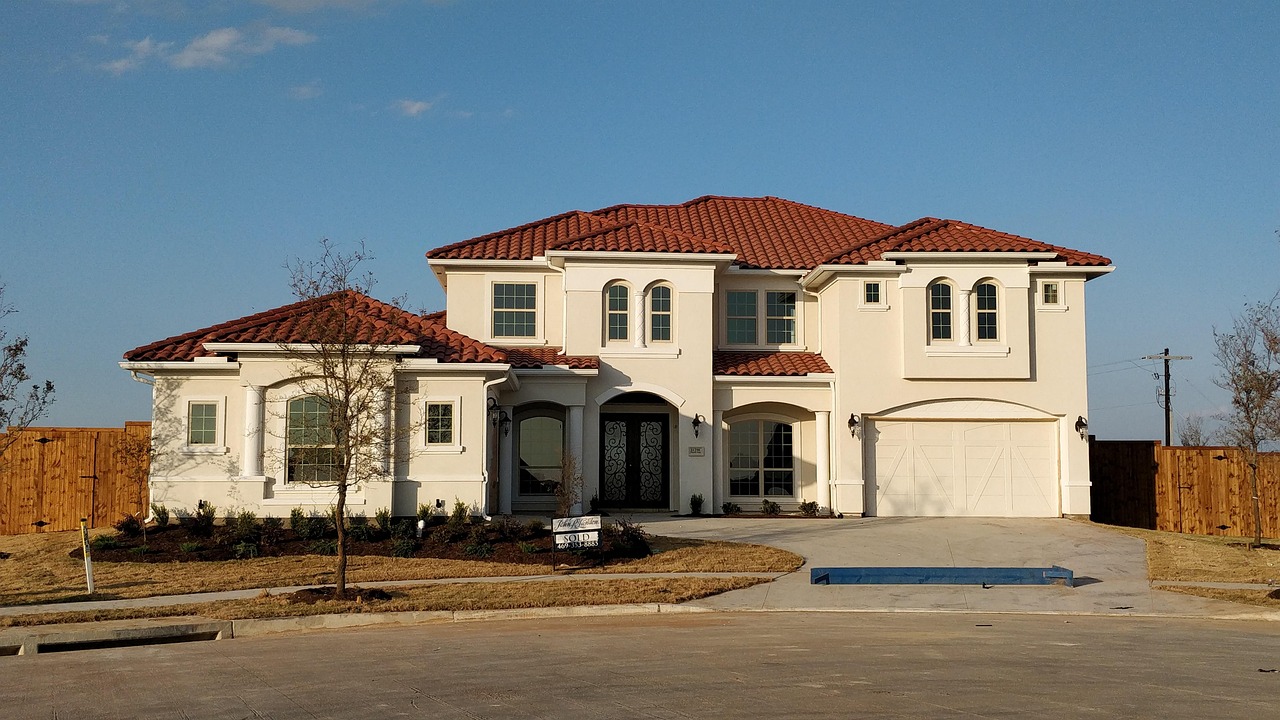
Clay and concrete tile roofs can last fifty to one hundred years or more when properly installed on a structure that can support their weight. The tiles themselves are virtually indestructible under normal weathering. What eventually requires attention is the underlayment beneath them, which may need replacement after thirty to fifty years even though the tiles above are still in perfect condition.
Natural slate is the longest-lasting roofing material available, with lifespans of seventy-five to over one hundred fifty years depending on the slate quality and origin. Slate roofs on historic buildings in the northeast United States have been in service for well over a century. The tradeoff is cost and weight. Slate is among the most expensive roofing materials, and the structural requirements to support it make it impractical for many homes.
What Shortens a Roof’s Lifespan
The gap between a roof’s potential lifespan and how long it actually lasts is almost always explained by one or more of the following factors:
- Poor ventilation is the most common lifespan killer for asphalt shingles. ENERGY STAR’s guide to attic ventilation explains that proper airflow through the attic is essential for protecting roof shingles. Trapped heat in an under-ventilated attic bakes shingles from below, accelerating granule loss and drying out the asphalt binder years ahead of schedule.
- Installation errors including improper nailing patterns, incorrect shingle exposure, poor flashing technique, and inadequate sealing around penetrations can cause premature failure regardless of the material quality.
- Climate severity plays a major role. Roofs in the desert Southwest face extreme UV and heat. Roofs in the northern Midwest endure brutal freeze-thaw cycles. Coastal roofs deal with salt air corrosion and hurricane-force winds. Each of these environments stresses roofing materials differently and accelerates certain types of degradation.
- Lack of maintenance allows small problems to become big ones. A displaced shingle, a cracked pipe boot, or a small flashing separation can let water into the deck for months or years before anyone notices. By then, the damage extends far beyond the original entry point.
- Overlaying new shingles on top of old ones rather than doing a full tear-off traps heat between the layers and shortens the lifespan of both.
How Installation Quality Affects Longevity
The single biggest variable in how long a roof lasts, aside from the material itself, is the quality of the installation. The International Residential Code, Chapter 9, sets minimum standards for roof assemblies including fastening requirements, underlayment placement, flashing specifications, and ice barrier protection. A crew that follows these standards and the manufacturer’s installation guidelines gives the roof its best chance at reaching full lifespan.
A crew that cuts corners, whether by under-nailing shingles, skipping ice and water shield in required areas, reusing old flashing, or improperly sealing penetrations, creates weak points that will fail long before the shingles themselves wear out. Many of the roof failures that homeowners attribute to poor materials are actually caused by poor installation on the day the roof went on.
This is why choosing your contractor matters as much as choosing your shingles. A quality material installed by a careless crew will underperform a mid-range material installed by a detail-oriented one.
How to Get the Most Life Out of Your Roof
Once your roof is installed, a few ongoing practices help it reach its full potential lifespan:
- Have the roof inspected by a professional every two to three years and after any major storm
- Clear debris from valleys, gutters, and around penetrations to prevent water from pooling or backing up
- Trim tree branches that overhang the roof to reduce shade, moisture retention, and physical abrasion from branches rubbing against the shingles
- Address small repairs immediately rather than letting minor damage go unattended for months or seasons
- Make sure your attic ventilation is balanced and unobstructed, with clear intake at the soffits and unblocked exhaust at the ridge
None of these steps are expensive or time-consuming, but collectively they can add five to ten years to the useful life of an asphalt shingle roof and even more to the lifespan of metal, tile, or slate.
The Bottom Line
A properly installed asphalt shingle roof should last twenty to thirty years. Metal roofs should reach forty to seventy. Tile and slate can last a lifetime or more. But none of these numbers are guaranteed. They depend on installation quality, ventilation, climate, and maintenance. The homeowners who get the most life out of their roofs are the ones who invest in quality installation upfront, maintain the system consistently, and address problems before they cascade into expensive failures.
Want a Roof That’s Built to Last?
Get a free, no-obligation quote from experienced roofing professionals who install for longevity, not just appearance.
Get Your Free Quote