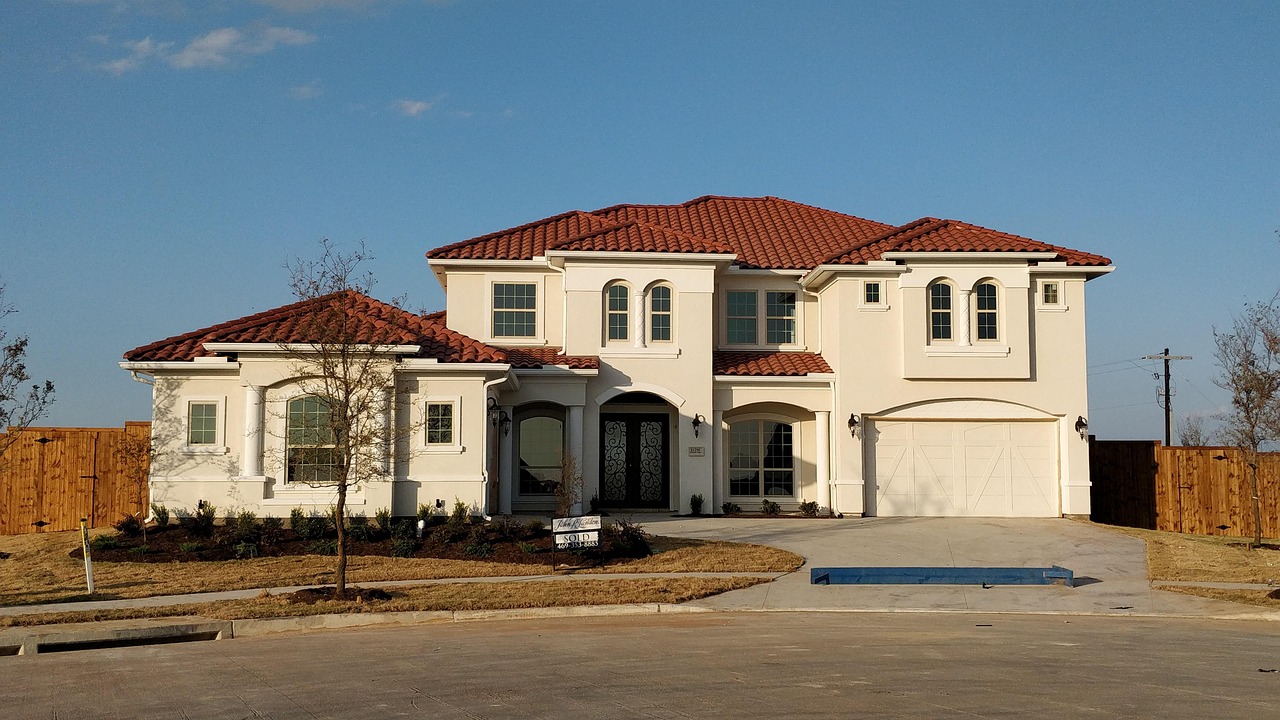
How seasonality, demand, and discounts affect what you pay for a new roof, and when it really makes sense to schedule the job.
Roof replacement feels like one of those projects that never comes at a “good” time. You spot a leak. Shingles start curling. A home inspector notes that the roof is at the end of its life. On top of the stress, you are asking the big question: When is the cheapest time of year to replace my roof.
The honest answer is that there is no single magic month for every home. But there is a clear pattern. Roofing costs are shaped by demand, weather, crew availability, and material pricing. If you understand those forces, you can time your roof replacement to save money without gambling on quality.
💰 What Does “Cheapest” Really Mean For Roof Replacement?
When homeowners ask about the cheapest time of year, they often imagine a season when roofers slash prices across the board. In reality, “cheapest” usually means one of three things:
- Lower labor cost because crews are less busy.
- Seasonal discounts or promotions during slow periods.
- Better scheduling flexibility that lets you compare bids and negotiate.
Consumer data from Angi shows that roof installation demand is highest in fall and early spring, when weather is ideal. During these busy seasons, contractors book up faster and prices often follow demand. Off peak months see fewer bookings, which can open the door to savings for flexible homeowners. Angi’s guide to the best time to replace a roof
📉 When Is Roof Replacement Usually Least Expensive?
Many roofers and cost guides agree on this simple pattern:
- Winter and late fall tend to be the cheapest seasons in many markets.
- Peak fall and spring are usually the most expensive times.
A detailed breakdown from River City Roofs explains that off peak seasons like winter often come with lower prices because demand drops, crews have more availability, and some companies offer seasonal promotions or discounts to keep jobs on the schedule. River City Roofs on the cheapest time to replace a roof
The trade off is that winter can bring shorter workdays, weather delays, and more planning. If you want the lowest possible price and your roof is not in crisis, scheduling during the slower season can create real savings. If you value a faster, smoother job more than squeezing every last dollar, you might lean toward another time.
🌦️ How Seasonality Affects Roof Replacement Cost
Spring
Spring is a popular time for roof installation. The weather begins to stabilize, and homeowners want to fix winter damage before summer heat. That demand can raise prices, but early spring sometimes offers a window before the calendar fills.
Summer
Summer is busy in many areas, especially after storms. Material prices may spike and crews may be booked out for weeks. You might pay more simply because everyone else is also trying to schedule jobs at the same time.
Fall
Many contractors view fall as the perfect roofing season. Temperatures are moderate, and shingles seal well. But the same conditions that make fall ideal also make it one of the most in demand times of the year. Higher demand often means fewer discounts and less negotiation power.
Winter
Winter is rarely the best season for installation quality, but it is often the least expensive. Crews may be slower due to short days and cold temperatures. Shingles can be harder to work with, and contractors must follow extra steps to protect the roof system. This is why winter is sometimes described as the season where you can save more money but accept more risk and inconvenience.
🛠️ What The Pros Say About Winter Roofing
Professional organizations like the National Roofing Contractors Association (NRCA) warn that cold weather roofing requires extra care. Asphalt shingles become more brittle in cold temperatures, and self sealing strips may not bond until warmer weather arrives. Roofers must adjust how they handle, store, and fasten materials to prevent damage and future leaks. NRCA roofing guidelines and FAQs
That does not mean winter roof replacement is always a bad idea. It means you should:
- Work only with licensed, experienced roofing contractors.
- Ask how they handle cold weather installation and sealing.
- Make sure warranties stay valid with off season work.
- Build extra time into the schedule for weather delays.
When those boxes are checked, winter can be the cheapest time to replace a roof while still getting a quality result.
📖 Story: Trading Peak Season For Off Peak Savings
Imagine a homeowner named Carla. Her asphalt shingle roof is 18 years old. It is not leaking, but a recent inspection showed granule loss and aging shingles. She gets three roofing estimates in early fall, which is high season in her area. The quotes range from 14,000 dollars to 16,000 dollars for a full roof replacement.
One roofing contractor explains that if she can wait until late winter, they expect a slower schedule and may offer a discount. Carla asks for that number in writing and receives an updated quote for 12,500 dollars, with the same material and warranty, plus a note that the crew will follow cold weather installation steps.
She weighs the risks. Her roof is aging but not failing. She decides to wait, books the late winter slot, and saves over 1,500 dollars compared to fall pricing. For her, the trade off of cooler weather and a bit more flexibility was worth the savings.
🧮 Is Chasing the Cheapest Season Always Smart?
Saving money feels good, but the cheapest time of year is not always the best time for your roof. Use these questions to guide your decision.
You might wait for an off peak season if:
- Your roof is older but not actively leaking.
- You have a flexible timeline and can plan months ahead.
- You are comfortable with possible weather delays.
- You want to compare multiple quotes and negotiate.
You should not wait just to save money if:
- You have active leaks, sagging, or storm damage.
- You are selling soon and the roof could scare buyers away.
- Your insurance requires repairs or replacement.
- The roof is already at the end of its service life and failing.
In those cases, waiting for a cheaper season can backfire. Water damage, mold, and structural issues cost far more than any off peak discount.
📌 How To Get The Best Price In Any Season
No matter when you schedule the work, you can still control your roof replacement cost with smart steps:
- Get at least three written estimates from local roofing contractors.
- Ask each roofer about busy vs slow periods in your region.
- Request any off season promotions or financing options.
- Keep your scope consistent when comparing bids.
- Do not choose on price alone. Weigh materials, warranties, and reviews.
Professional associations such as NRCA also recommend focusing on quality of workmanship and materials as much as cost. A low bid that cuts corners can lead to early failure and expensive repairs later.
Ready To Find Your Best Time And Best Price?
In many markets, winter and late fall are the cheapest times to replace a roof because demand is lower and contractors have more room to deal. But the right timing for you depends on your roof’s condition, your local climate, and how much risk you are willing to trade for savings.
The smartest move is simple. Get a professional roof inspection, ask about seasonal pricing in your area, and compare a few detailed quotes. Then you can choose the timing that gives you the best mix of savings, quality, and peace of mind.
Request Your Roof Replacement Estimate