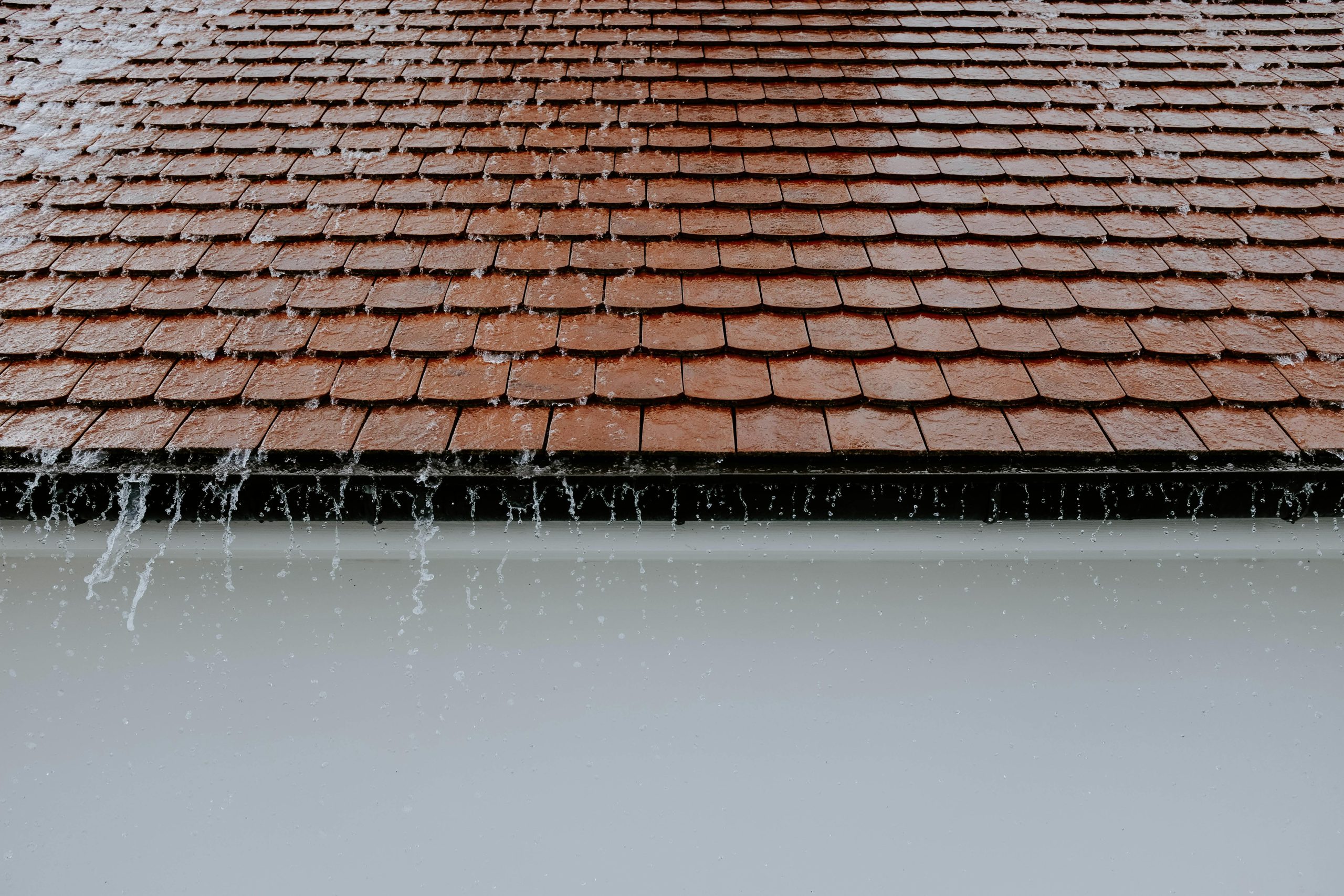
The hidden layer beneath your shingles that prevents leaks in the places where your roof is most vulnerable
It’s Your Roof’s Last Line of Defense
Ice and water shield is a self-adhesive waterproof membrane that’s installed directly on the roof deck before the shingles go on. It sits beneath the shingles and synthetic underlayment in the areas of the roof that are most susceptible to water intrusion, creating a watertight seal that protects the deck even if water gets past the shingles above it. You’ll never see it once the roof is finished, but it’s one of the most important components in the entire roofing system.
Standard roofing underlayment, typically a synthetic sheet material, sheds water that gets beneath the shingles. But it doesn’t seal around nail penetrations, and it can allow water to wick underneath if it’s exposed to standing or wind-driven water for an extended period. Ice and water shield does what standard underlayment can’t. It bonds directly to the deck and self-seals around every nail that’s driven through it, creating a waterproof barrier that holds even under the worst conditions.
Where It’s Installed
Ice and water shield isn’t used across the entire roof surface. It’s applied selectively in the areas where water is most likely to penetrate the shingle layer and reach the deck. The International Residential Code, Chapter 9, specifies the locations where ice barrier protection is required in areas where the average daily temperature in January is twenty-five degrees Fahrenheit or less. The most common installation points include:
- Along the eaves, extending from the roof edge inward to at least twenty-four inches past the interior wall line. This is where ice dams form and where backed-up meltwater is most likely to work its way beneath the shingles.
- In valleys where two roof planes meet and water is concentrated into a channel. Valleys handle more water volume per square foot than any other part of the roof, and the overlapping shingle pattern in a valley creates more opportunities for water to find a path underneath.
- Around roof penetrations including chimneys, skylights, plumbing vents, and exhaust caps, where the transition between the roofing surface and the vertical penetration creates a joint that’s vulnerable to water entry.
- Along rake edges on steep-slope roofs where wind-driven rain can push water laterally beneath the shingle edges.
Some roofing contractors apply ice and water shield across the entire roof deck for maximum protection, particularly on low-slope roofs or in regions with extreme weather. Full-deck coverage adds to the material cost but provides a continuous waterproof layer beneath every shingle on the roof.
How It Protects Against Ice Dams
Ice dams are one of the most common causes of winter roof leaks in cold climates, and ice and water shield was specifically designed to address them. An ice dam forms when warm air in the attic melts snow on the upper portion of the roof. The meltwater flows downhill toward the eaves, where the roof surface is colder because it extends past the exterior wall. The water refreezes at the eave, creating a ridge of ice that blocks further drainage. As more meltwater pools behind the dam, it backs up under the shingles and into the roof structure.
ENERGY STAR’s guide to attic ventilation explains that proper airflow through the attic is essential for preventing ice dams by keeping the roof deck at a consistent temperature. Ventilation is the first defense against ice dam formation. Ice and water shield is the second. If an ice dam does form despite adequate ventilation, the membrane prevents the backed-up water from reaching the deck and entering the home. The self-sealing adhesive holds tight around every nail penetration, so even standing water sitting on the membrane for hours or days can’t find a path through.
How It Differs From Standard Underlayment
Standard synthetic underlayment is a lightweight sheet material that’s stapled or nailed to the roof deck before the shingles are installed. It acts as a secondary water barrier that sheds moisture if it gets beneath the shingles, and it protects the deck from exposure during installation. It’s effective for normal rain shedding, but it has two limitations that ice and water shield addresses.
First, synthetic underlayment doesn’t seal around fasteners. Every staple and nail that attaches the underlayment to the deck creates a small hole that water can penetrate under sustained pressure. Ice and water shield’s rubberized asphalt adhesive flows around each nail and seals the penetration automatically.
Second, synthetic underlayment can allow water to wick underneath its edges if water pools or flows laterally against it. The self-adhesive bond of ice and water shield eliminates this risk because the membrane is fully bonded to the deck surface with no gaps for water to exploit.
According to the National Roofing Contractors Association, roofing performance depends on material quality, installation workmanship, climate, and maintenance. Using the right underlayment in the right locations is a material quality decision that directly affects how the roof performs under stress. Ice and water shield in vulnerable areas combined with synthetic underlayment across the remaining field is the standard approach recommended by most roofing professionals.
When Building Codes Require It
Building codes in most northern and mid-Atlantic states require ice and water shield along the eaves in any area where ice dams are a known risk. The IRC defines these areas based on the average January temperature, but many local codes go further and require it in valleys, around penetrations, and along rake edges as well.
Even in regions where ice dams are rare, many contractors install ice and water shield as a best practice in valleys and around penetrations because these are the areas most likely to develop leaks regardless of climate. Wind-driven rain, debris accumulation, and the natural concentration of water flow in these zones make them vulnerable even in warm climates where ice is never a factor.
If your contractor’s estimate doesn’t mention ice and water shield, ask whether it’s included and where it will be applied. A contractor who skips it in areas where code requires it is cutting a corner that could cost you significantly in water damage down the road.
What It Costs
Ice and water shield costs more per square foot than standard synthetic underlayment, typically two to three times the price. But because it’s only applied in specific areas rather than across the entire roof, the total material cost increase for a standard installation is usually between two hundred and six hundred dollars depending on the size of the roof and the number of valleys, penetrations, and eave sections that need coverage.
On a roofing project that costs ten thousand to twenty thousand dollars in total, the ice and water shield represents a small percentage of the budget. The protection it provides is disproportionately valuable relative to its cost because it’s concentrated in the exact areas where leaks are most likely to originate. Skipping it to save a few hundred dollars removes your roof’s most effective backup defense in its most vulnerable locations.
Does Your Roof Need It?
If you live in a climate where ice dams are a possibility, ice and water shield along the eaves is essential and likely required by code. If you live in a milder climate, it’s still strongly recommended in valleys and around every penetration because those areas are vulnerable to water intrusion regardless of whether ice is a factor.
For homeowners getting a roof replacement, the best approach is to confirm with your contractor that ice and water shield is included in all code-required areas and to ask whether additional coverage in valleys and around penetrations is part of their standard installation practice. A roofing company that includes it as standard isn’t upselling you. They’re building a roof that’s designed to handle the worst your weather can deliver.
Want a Roof Built to Handle Whatever Comes Its Way?
Get a free, no-obligation quote from experienced roofing professionals who include proper ice and water protection in every installation.
Get Your Free Quote